Pictish Blacksmith Makes His Mark- Dark Ages Not So Dark
Pictish Blacksmith Makes His Mark-
Dark Ages Not So Dark
We call them the dark ages because the people’s who lived in the time after the Roman invasion didn’t write much and record much so we often imagine that they were dark ignorant days , but in reality the period was one of fine craftsmen and fabulous craft. And now on the island of Rousay, Orkney archaeologists have found some fascinating remnants of the Scottish Iron Age. The dig is going on apace as the area is subject to coastal erosion. They have found the fingerprints of a Pictish blacksmith on an Iron Age anvil. Imagine it prints from some 1400 years ago. And from a fine craftsman too!
Working in the Dark
They were discovered during excavations at a settlement dating from the 6th to 9th century on the island. They lifted a larger stone anvil and cleaned it and then saw carbon imprints of the smith’s knees and hands. The fingerprints were a mix of grease and carbon and found on a site that is part of a sizeable Iron Age settlement with a Pictish workshop. The smith would have worked mostly in the dark so he, and I’m sorry it would have been a he as it was dark ages in that respect, could see the different colours that indicated the temperature of the metals as he forged them. It much have been a fiery inferno.
Craftsmen and Craftswomen
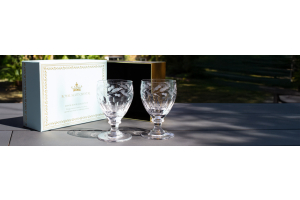
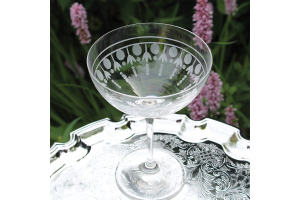
And we here at James Pirie have very fine craftsmen and craftswomen,as it is no longer the dark ages, making some of the loveliest and most enduring work. We have designers making wonderful collectibles and glassware to be envied. All of which is in with the fine traditions of the Pictish blacksmith from those far off days. The hand cut glassware in our wonderful Thistle range is an outstanding example of the genre. Made to last and to delight they are indeed fine specimens of the craft. Like the Royal Scot Crystal - Flower of Scotland 2 tot, or if you like shot glasses which are a pleasure to hold and a definite bargain at half price.